Profit from Your Woods
WISE USE OF A VALUABLE RESOURCE
Forests are a natural resource. Humans have always harvested wood products—timber, fuel, paper, and wild herbs—to meet their needs. Today, markets are developing for other forest products and amenities, including biofuel, carbon credits, conservation easements, and water credits. The idea is that if standing forests are as financially lucrative as clear cut land, few people would choose to sell or clear their land. Harvesting trees intelligently can be good for the woodland ecosystem as it facilitates forest renewal and can help improve stand quality. This section will introduce you to some opportunities for generating income from your woods without compromising their recreational value and health.
Hunting leasesMillions of Americans hunt and fish in the woods every year, and if your land is rich in wildlife and offers good amenities for hunters, hunting leases may be a good low-stress way to profit from your woods. |
|
Financial AssistanceAs a landowner you have hopes and dreams for your woods, and financial assistance programs, sometimes called cost share programs, can help make those ambitions a reality.
|
|
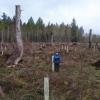
Managing a Timber HarvestA carefully managed, sustainable timber harvest isn’t just about cutting down trees. It’s about implementing a plan that encourages regeneration and the long-term well-being of your woods. |
|
Certifying your sustainable timberYou’ve made a commitment to caring for all the good things your woods provide, and you deserve some recognition for it. That’s where sustainable timber certification comes in. |