
Signs of a Healthy Forest
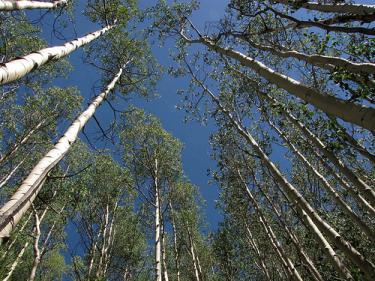
When you go in for a checkup, the doctor doesn’t just look at one part of your body—he or she evaluates every system to make sure you’re OK.
Giving your woods a checkup is very similar. You have to check every system within your forest to know if the whole is in balance. That means inspecting individual trees, looking at the diversity of the whole forest and the plants and animals that live in it, and studying the cycles at play in your woods. Together, these elements give you a picture of your forest’s overall health.
Let’s start with individual trees. What signs should you look for?
Your Tree Health Checklist
Feel free to print off this checklist:
| What you see | What it means |
|
|
|
|
|
|
|
|
|
|
|
|
|
|
|
|
|
|
|
|
|
|
|
|
|
|
|
|
When going into your woods for their checkup, bring some colored chalk to mark trees as healthy or sick as you go. Note that 10 percent or more of the tree should be affected to count it as damaged or diseased.
As you can see, any one sign could mean a variety of things, and only a professional forester can know for certain what’s to blame. So if you notice several trees in your stand have signs of disease or damage, consult with a professional to determine your next steps.
But the health of individual trees doesn’t tell the whole story of your forest. The diversity of your woods—the mix of plant species and habitats there—is just as important.
Find out More
For help assessing and supporting the health of your woods, consult with
*contains information adapted from the Project Learning Tree Secondary Grades 9-12 Module Focus on Forests
How can I get more tips?
It’s simple! Enter your email below.